
Why Crane Inspections Matter for Safety, Compliance, and Uptime
Overhead cranes are some of the most relied-on pieces of equipment in any industrial facility. Production depends on them, maintenance teams depend on them, and safe operation depends on them. Yet many crane problems develop long before a failure is visible to the operator. That is why inspections are one of the most important steps in maintaining a reliable and compliant overhead lifting system.
A properly documented inspection provides clarity about the condition of your equipment. It helps identify issues early, reduce unplanned downtime, and support OSHA and ASME requirements. Most importantly, it gives your team the information needed to plan repairs before minor problems turn into major failures.
Many facilities understand that inspections are required, but there is often confusion about what an inspection actually includes. One of the most common misunderstandings is the belief that an inspection and a repair are the same thing. They are not. Inspections evaluate and report. Repairs correct and restore. Keeping these activities separate protects the accuracy of your records and gives you a better handle on maintenance planning.
Inspections Are Not Repairs
An inspection is a detailed assessment of the crane. The technician evaluates components, identifies deficiencies, and documents everything so your team has a clear understanding of what needs attention. No repairs are performed during this process unless they are separately authorized.
Many customers are surprised to learn that even if a technician sees a worn wire rope, a damaged safety latch, or an electrical issue, the correction is scheduled after the inspection. That separation is intentional. It ensures that your report remains an accurate record of the crane’s condition at the moment of evaluation. It also gives facilities the chance to plan parts, labor, and timing in a way that reduces downtime.
Our service techs are available for repairs and corrective work. The inspection simply comes first so you have the information needed to make the best decisions.
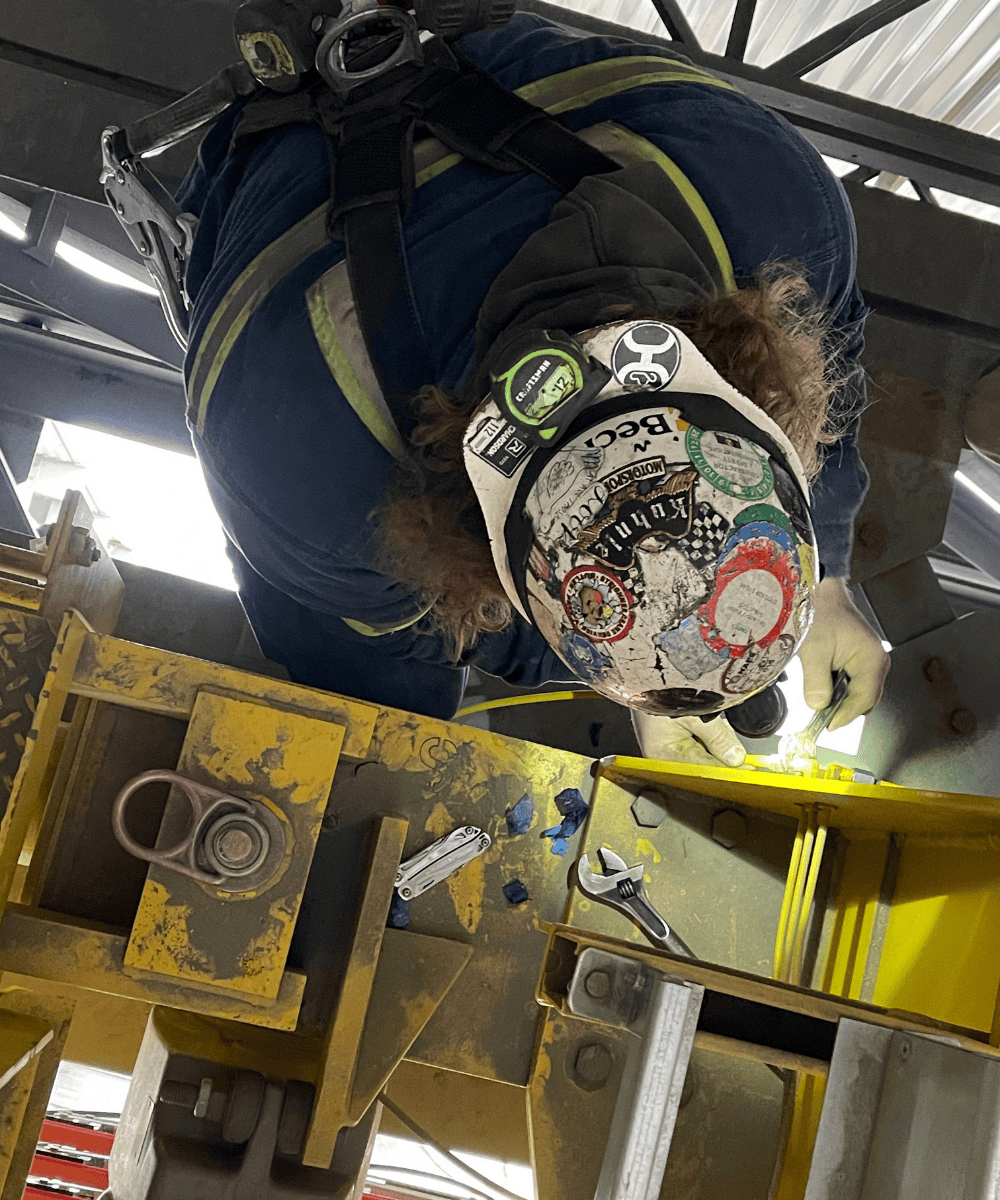
What Happens During a Frequent Inspection
Frequent inspections are required at intervals ranging from daily to monthly, depending on how often the crane is used. These inspections are designed to catch the early warning signs that operators might overlook or become accustomed to during daily work.
During a frequent inspection, technicians examine hooks and latches, wire rope or load chain, limit switches, controls, brakes, and other safety-related items. They listen for abnormal sounds, watch for drifting or slipping, and check that motion controls respond correctly. They also look closely at any areas where operators have reported concerns.
These inspections are ideal for facilities with high cycle counts, repetitive lifting, or harsh environments. Their purpose is to stop a small problem from becoming a costly one.
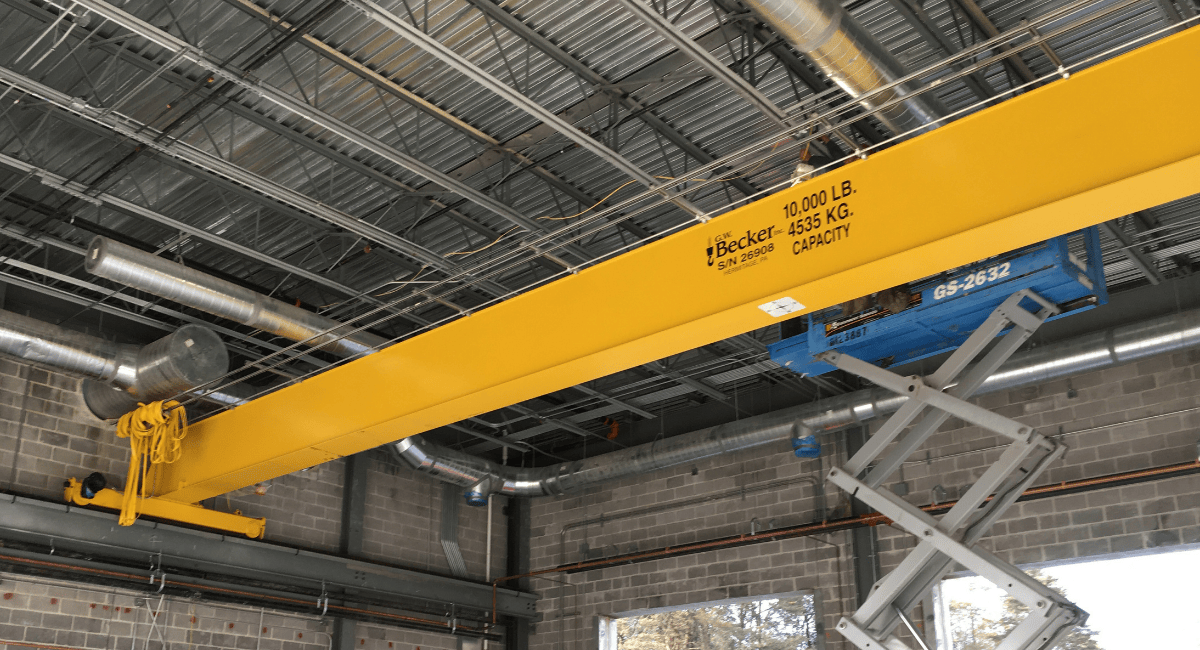
What Happens During a Periodic Inspection
Periodic inspections take place at longer intervals, typically one to twelve months depending on service conditions. These are more detailed and involve a deeper evaluation of the crane’s structural, mechanical, and electrical components.
During a periodic inspection, technicians can examine gear cases, internal brake components, couplings, sheaves, drums, motors, end trucks, wheels, bearings, and runway conditions. Structural members are also evaluated for cracks, corrosion, loose hardware, and signs of stress. These are the types of issues that operators rarely see and that cannot be identified through visual checks alone.
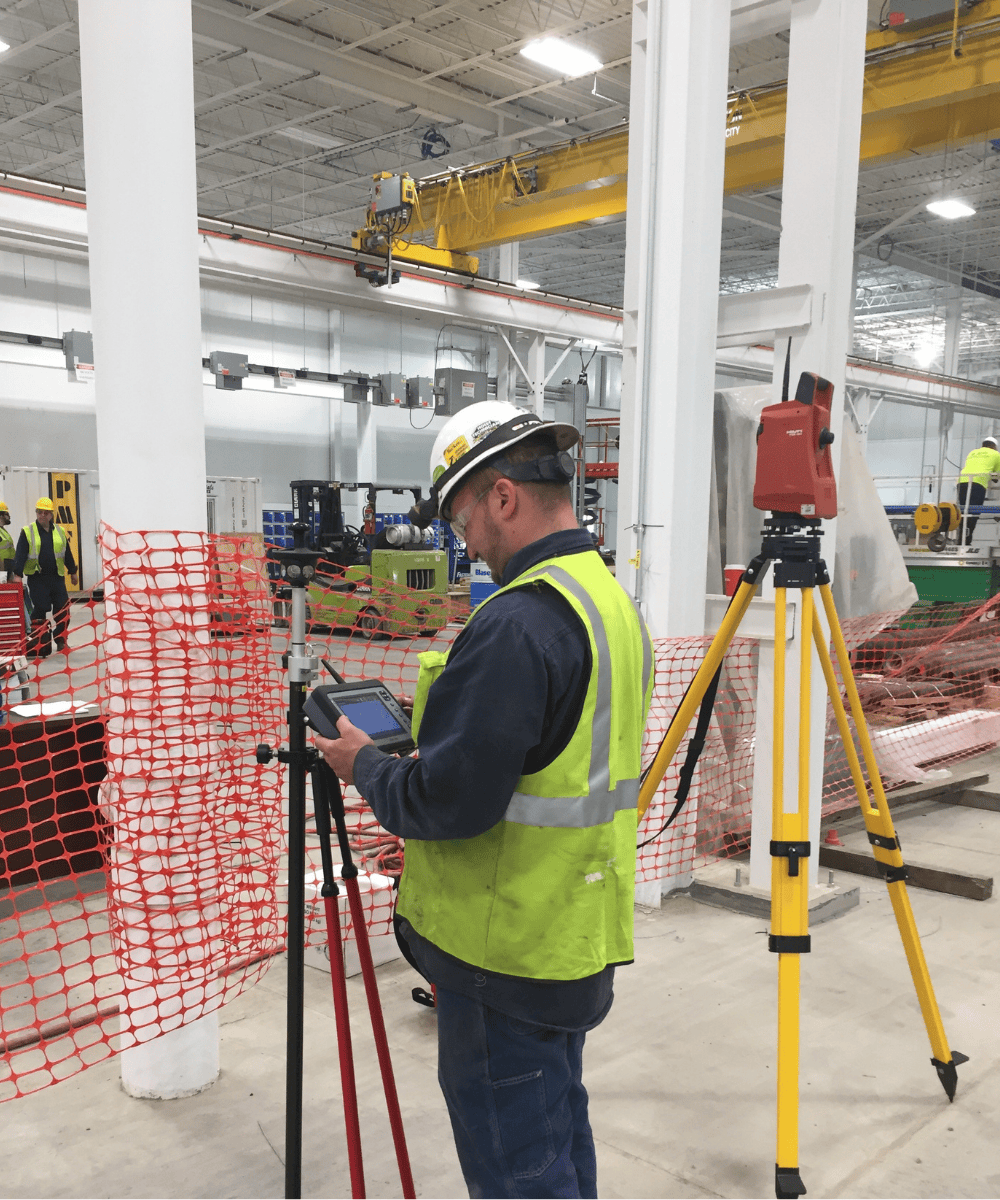
Periodic inspections help uncover problems that develop slowly over time, such as gear wear and bearing deterioration. These inspections may also identify potential runway alignment concerns; however, detailed runway surveys and alignment evaluations are performed as a separate service. Identifying equipment-related conditions early allows your maintenance team to plan ahead, budget for replacements, schedule repairs during planned outages, and maintain compliance with OSHA and applicable industry standards.
Where Preventive Maintenance Fits In
Preventive maintenance, often called PM, supports the overall health of the crane and is in addition to an inspection. PM involves tasks such as lubricating moving parts, adjusting brakes, tightening hardware, and tuning the equipment to operate at peak performance. These steps help extend the life of the crane and keep it operating smoothly.
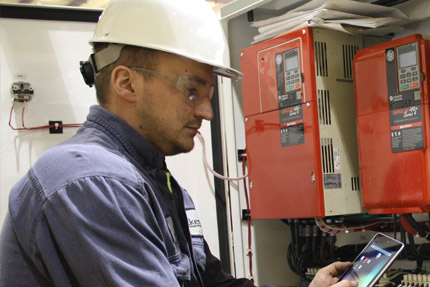
Facilities with high duty cycles, aging equipment, or production-critical cranes benefit most from a consistent PM program. When PM is paired with regular inspections, the result is improved reliability, longer equipment life, and fewer disruptive breakdowns.
The Importance of Digital Reporting and Documentation
Inspection reports are most valuable when they are clear, visual, and easy to interpret. Digital reporting provides photos, descriptions, condition ratings, and recommended corrective actions. These reports give maintenance managers the information needed to prioritize repairs and track how issues progress over time.
A digital record also supports OSHA compliance, helps prepare for audits, and provides documentation for insurance and incident reviews. It offers a structured system for planning maintenance, scheduling downtime, and budgeting for replacements.
Common Problems Found During Inspections
A well trained technician can identify early-stage issues that operators often miss. Some of the most common findings include worn wire rope or load chain, brake wear, misaligned wheels, damaged hooks, electrical failures, and corrosion. Each of these issues carries different levels of urgency.
For example, worn wire rope is a serious condition that can progress quickly. Brake issues may cause inconsistent stopping or drift. Wheel misalignment can lead to long term runway damage. Wheel wear and corrosion on structural components can lead to weakening over time. Understanding the severity of each finding helps determine what should be repaired immediately and what can be monitored or scheduled.
Planning Repairs After the Inspection
Once the inspection is complete, the next step is to schedule repairs. This may include adjusting brakes, replacing wire rope, correcting electrical issues, aligning wheels, replacing sheaves, or addressing runway structural concerns. Because the inspection identifies the issues before they become critical, repairs can be planned in a way that reduces downtime and avoids emergency service.
Separating the inspection from the repair stage also ensures that parts can be sourced in a timely mannor, or pulled from our spare parts inventory, and labor can be scheduled efficiently. For cranes with long lead times on components, early identification prevents extended outages and unexpected production delays.
Conclusion: Reliable Lifting Starts With the Right Inspection Program
Inspections protect people, equipment, and production. Frequent, periodic, and preventive maintenance inspections each serve a different purpose, but together they form the foundation of a safe and reliable overhead crane program. Understanding that inspections evaluate and repairs correct is key to keeping documentation accurate and maintenance planning effective.
If you are unsure which type of inspection your cranes require or want to schedule an evaluation, contact us today. Our team is here to help you maintain safe, compliant, and efficient lifting operations.